
Review by Chris Naas
C
Denver Snow has been our snow removal service for several years now. They do great work and are very reliable.
Ice on walkways and lots puts tenants and visitors at risk. We treat surfaces before and after storms to keep them safe.
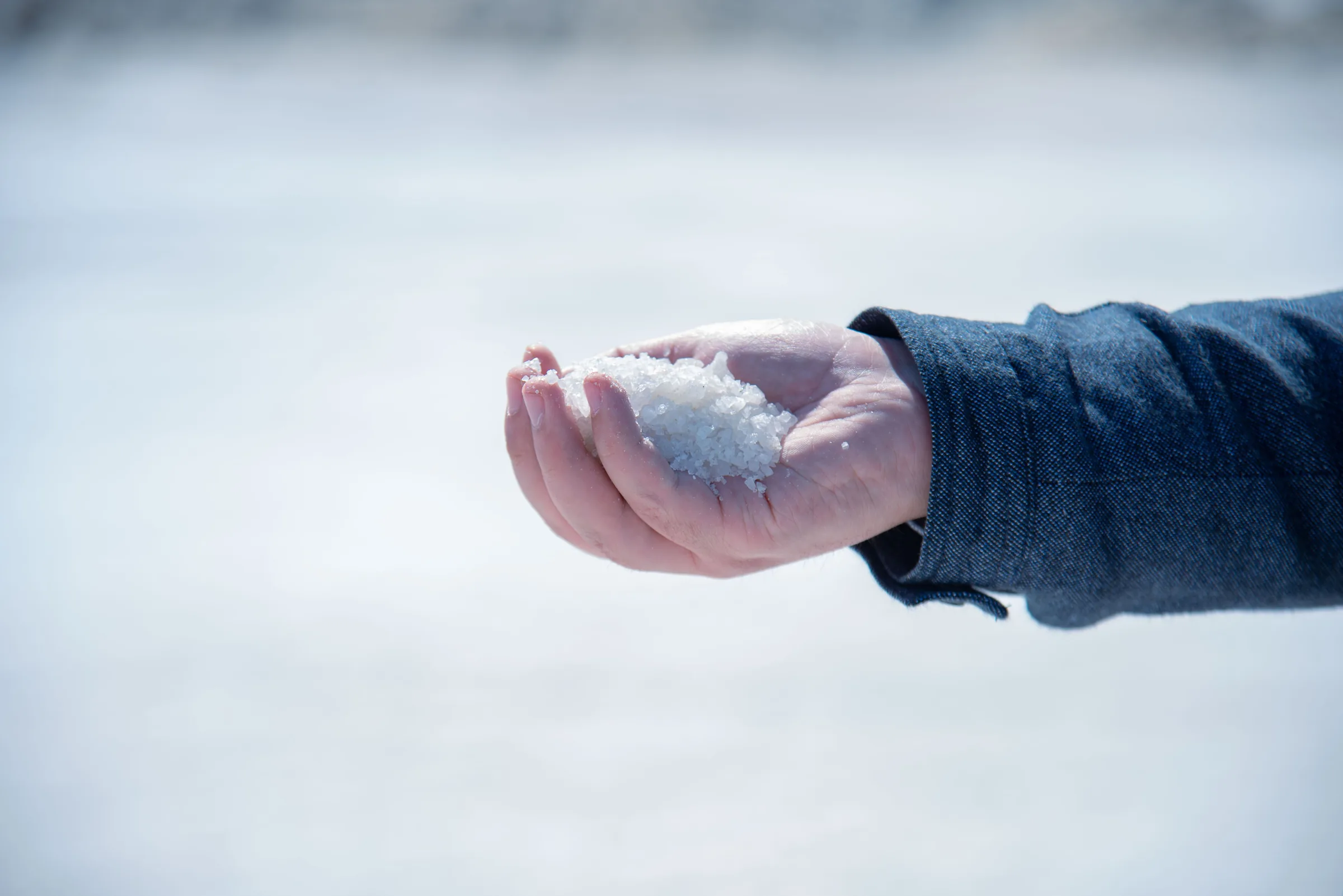
Denver's freeze-thaw swings catch property managers off guard. One day it's 55 degrees, the next it's single digits with black ice on every entrance. We've seen parking lots along Wadsworth turn into skating rinks overnight. A chinook wind melts snow that refreezes after dark. South-facing lots near Ralston Valley thaw fast, while shaded lots near Standley Lake stay icy for days. That mismatch means one treatment schedule doesn't work for every property. Salt lowers the freezing point of water. Ice can't form or bond to pavement because of this. That's why timing and material choice matter so much[1]. Waiting until ice has set makes it harder, and more expensive, to clear. Under Denver's sidewalk ordinance, commercial properties also have 24 hours to clear walks after snow stops. Missing that window risks fines and liability claims.
Front doors and walkways refreeze fast after foot traffic packs down snow. We treat these high-risk spots first.
South-facing lots melt and refreeze within hours. We adjust treatment timing based on sun exposure.
We apply pre-treatment before a storm hits so ice has a harder time bonding to pavement.
Delivery zones see heavy foot and vehicle traffic. Icy docks slow operations and raise injury risk.
Denver's sidewalk ordinance gives property owners 24 hours to clear walks after snowfall ends. We help you stay compliant.
Patients and visitors need safe footing year round. We prioritize these properties during active storms.
Icy pavement left untreated gets worse fast, not better. A thin layer of ice today can become a slip-and-fall claim tomorrow. We've handled commercial properties across the Front Range for over 40 years. Our crews know which lots need extra attention and when.
Don't wait for ice to form before you call. Our Snow Removal Service team can get your property on a treatment plan today.
We make this simple so you don't have to think about ice until it's handled.
We walk your property to map entrances, walkways, loading docks, and trouble spots. This lets us build a treatment plan before winter starts.
We track forecasts and deploy crews before storms hit. Pre-treatment keeps ice from bonding to pavement in the first place.
After the storm, we check surfaces again and reapply material where needed. We keep records so you have documentation if a claim ever comes up.
Pricing depends on property size, number of entrances, and how often treatment is needed during the season. A small retail lot costs less to treat than a hospital campus with multiple entry points. We offer per-push and seasonal flat-rate contracts so you can pick what fits your budget. Deicing materials vary in how they lower the freezing point of water. We use the right mix for Denver's temperature swings[1]. You'll get an upfront quote with no hidden fees.
Denver Snow has been our snow removal service for several years now. They do great work and are very reliable.
Denver SnowCPS has done snow removal for all of the properties managed by my company Gateway Management, Inc.
They do an excellent job and have wide geograhic area coverage.
For us, they have serviced properties in Denver, Lakewood, Wheat Ridge, Arvada, Aurora and Northgenn.
We would highly recommend them!
Here are answers to what property managers ask us most.
Cost depends on property size and how often storms hit during the season. Most commercial properties pay between $150 and $2,500 or more per season. We give an upfront quote after walking your property, so there are no surprises.
Most properties take 30 minutes to a few hours, depending on size. A small retail lot is quick, while a hospital campus takes longer. We plan routes so priority properties get treated first.
DIY salting works for small areas, but commercial properties need consistent coverage and documentation. If someone slips on your lot, you need proof you treated it. We track every visit for your records.
We typically treat before the storm, then again after it ends. Denver's freeze-thaw cycles sometimes call for a third pass if temperatures swing overnight. Our crews monitor conditions so timing isn't guesswork.
We deploy crews before a forecasted storm hits, not after. This is why pre-storm monitoring matters so much in Denver. Waiting until ice has set makes everything slower and riskier.
Shiny or clear patches on walkways and lots are often black ice. Shaded areas near Standley Lake stay icy longer than sunny spots. If your lot has mixed sun exposure, it likely needs treatment on different schedules across the property.
Overuse of salt can wear on aging concrete, especially with Denver's clay-heavy soil causing heaving. We use the right amount and material type to limit wear. As an asphalt and concrete contractor too, we know how to protect your surfaces long term.