
Review by Chris Naas
C
Denver Snow has been our snow removal service for several years now. They do great work and are very reliable.
Heavy snow loads stress flat and low-slope commercial roofs fast. We clear it before it becomes a real problem.
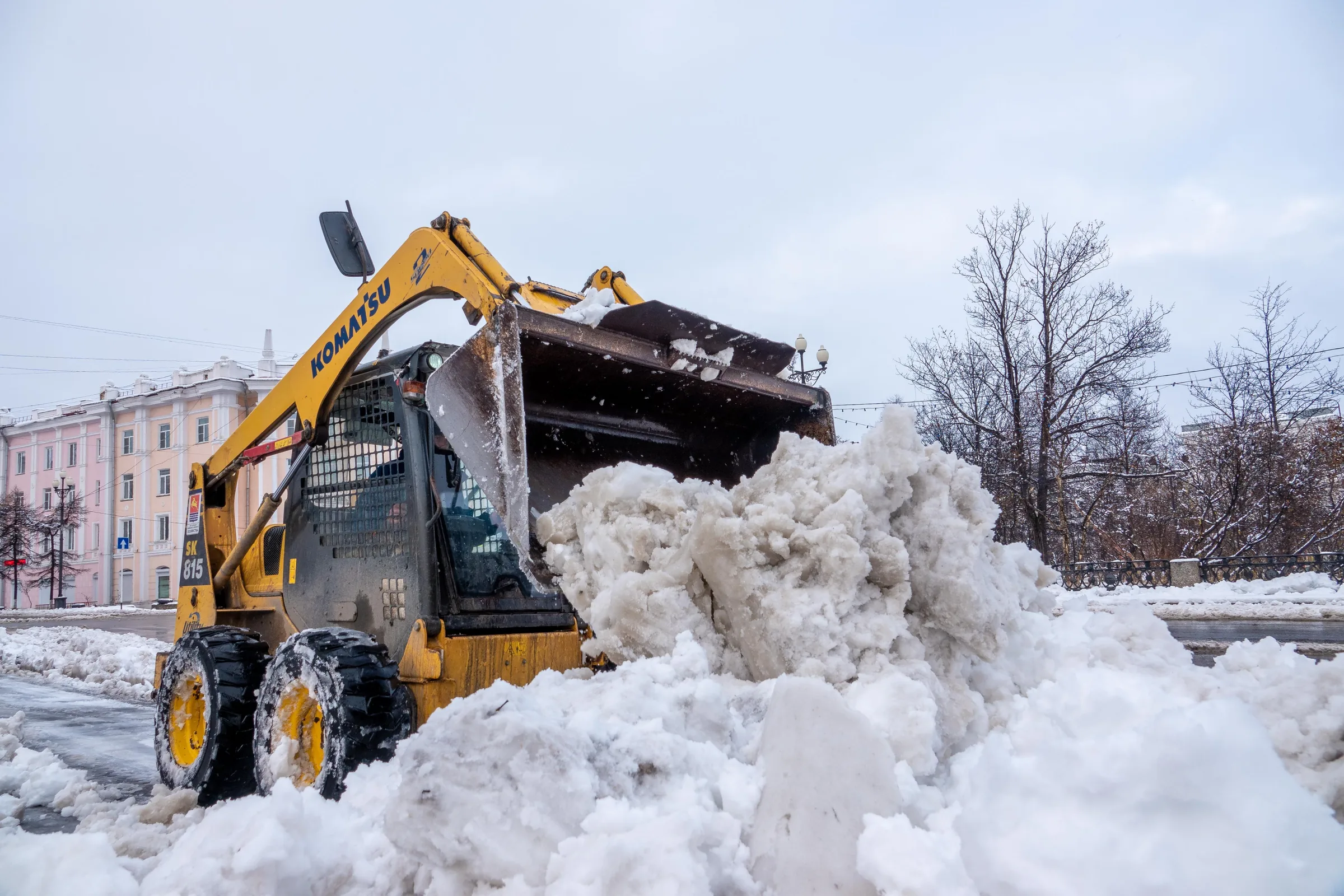
A single upslope storm off the Rockies can drop 12 inches or more in a day. Flat commercial roofs feel that weight fast. We've seen sagging roof decks on older strip malls along Wadsworth after back-to-back storms piled up without a clearing plan. Doors that stick, ceiling tiles that stain, or odd creaking sounds are all signs your roof is carrying too much. Waiting until the chinook winds melt things down isn't a plan. Freeze-thaw cycles just add ice weight on top of snow. Property owners carry real liability if a roof fails under load. Preparing ahead matters more than reacting after the fact.[1]
Office parks and retail centers with low-slope roofs collect snow fastest and need regular checks during heavy seasons.
Wide roof spans at medical facilities carry more total weight and need prompt clearing to avoid downtime.
A 12 inch or larger dump off the Rockies calls for a roof check within 24 to 48 hours.
Chinook winds melt the top layer, then refreeze overnight, adding dense ice weight on roofs across the Front Range.
Large flat industrial roofs often get overlooked until drainage areas clog and water starts pooling under the snow.
Older commercial buildings weren't always built for today's storm intensity, so we watch load limits closely.
Roof snow left alone doesn't just sit there, it gets heavier and more dangerous with every freeze-thaw cycle. We've served Front Range commercial properties since 1983. We know how fast a manageable load turns into a structural risk. Fast, experienced crews protect your building and your liability.
Don't wait for the next storm to stress your roof further. Call now to get your Snow Removal Service plan in place.
We keep the process straightforward so you know exactly what to expect from call to clearing.
You call us or we flag your property during storm monitoring. We review roof type, size, and current load before sending a crew.
Our crew arrives with the right equipment for flat or low-slope roofs. We clear snow and ice without damaging the roofing material.
We check drainage points and flag any concerns we spot. If another storm is coming, we schedule the next visit ahead of time.
Pricing depends on roof size, pitch, accessibility, and how much snow has built up. A flat roof above a Wadsworth strip mall costs differently than a hospital campus with multiple roof sections. We give upfront quotes before any work starts, so there are no surprises on your invoice. Preparing a winter weather plan ahead of storm season also helps control costs over the full winter.[1]
Denver Snow has been our snow removal service for several years now. They do great work and are very reliable.
Denver SnowCPS has done snow removal for all of the properties managed by my company Gateway Management, Inc.
They do an excellent job and have wide geograhic area coverage.
For us, they have serviced properties in Denver, Lakewood, Wheat Ridge, Arvada, Aurora and Northgenn.
We would highly recommend them!
Here are answers to what property managers ask us most about roof snow removal.
Most jobs run between $400 and $3,500 depending on roof size and snow depth. Flat roofs with easy access cost less than large campuses. We always give a quote before starting work.
A single flat roof usually takes a few hours. Larger properties like hospital campuses can take a full day or more. We plan crew size based on roof area ahead of time.
We don't recommend DIY roof snow removal on commercial buildings. Roof access and load distribution are hard to judge safely without experience. Our crews are trained for exactly this kind of work.
It depends on storm frequency and roof type. After a 12 inch upslope storm, most flat roofs need a check within 48 hours. Regular monitoring during peak season from November through March helps too.
It's urgent once snow starts piling past a few inches on flat roofs. Freeze-thaw cycles add ice weight fast on top of existing snow. Waiting too long raises the risk of roof stress or leaks.
Watch for sagging ceiling tiles, doors that suddenly stick, or creaking sounds from the roof deck. Pooling water near drains after a thaw is another red flag. Call us if you notice any of these.
Yes, we check drainage points and vents during every roof clearing job. Clogged drains under snow can cause pooling and leaks once things start to melt. We flag any blocked areas we find on site.